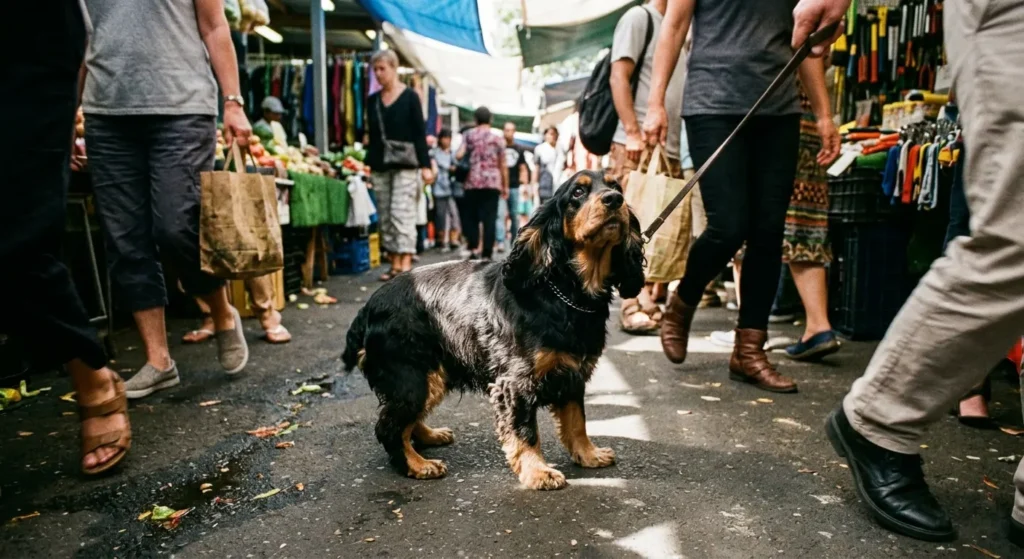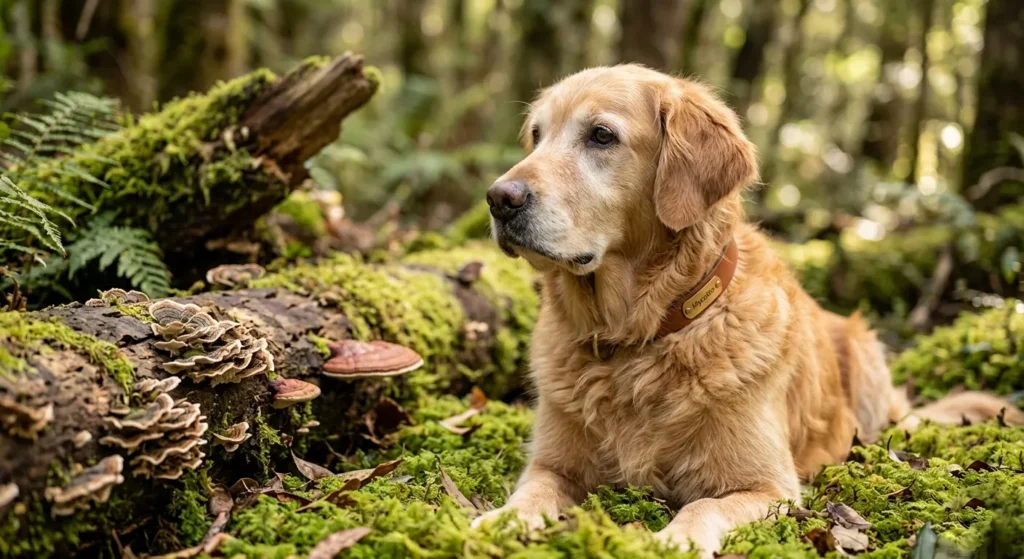
For decades, the study of medicinal mushrooms has focused on human clinical trials. However, as the field of veterinary mycology expands, we are discovering that dogs are not just “smaller humans” when it comes to fungal therapy. Their shorter digestive tracts, unique immune stressors, and specific metabolic rates change how they interact with mushroom extracts.
>> Learn about mushroom extracts for canine health
1. The Chitin Barrier: Why Bioavailability is Different for Dogs
The most critical distinction in canine mycology is the chitin wall. Humans have trace amounts of the enzyme chitinase, but dogs have very little to none. In the wild, a dog eating a raw mushroom would derive limited medicinal value because their digestive system cannot break down the “locked” cellular walls of the fungi.
- The Extract Necessity: This is why dual-extraction isn’t just a “premium” choice for dogs—it’s a biological requirement. By using heat and alcohol to break the chitin down into a bioavailable liquid or powder, we ensure the beta-glucans can actually reach the dog’s GALT (Gut-Associated Lymphoid Tissue), where a major part of immune signalling occurs in and around the gut.
2. The “Short-Track” Immune Response
Dogs have a faster metabolic rate and a much shorter digestive transit time than humans. In human nutrition, we often look for slow-release benefits. For dogs, we want rapid-response immunomodulation.
- Peyer’s Patches: When a dog consumes a high-quality extract, the beta-glucans interact with Peyer’s patches in the small intestine. Because a dog’s transit time is roughly 6–8 hours (compared to 24–72 hours in humans), the purity of the extract is paramount. There is no time for the body to process “fillers” or grain-based starches; the fungal compounds need to be “active” the moment they hit the gut.
>> See Reishi & Chaga extract for dogs
3. Canine-Specific Breakthroughs: The Turkey Tail Precedent
While human studies on Turkey Tail (Trametes versicolor) are extensive, one of the most famous studies in recent years was actually canine-specific. The University of Pennsylvania (Penn Vet) conducted a study on dogs with hemangiosarcoma (a common, aggressive canine cancer).
- The Result: Dogs treated with high-titer Turkey Tail polysaccharopeptide (PSP) showed significantly delayed metastasis and the longest survival times ever recorded for the disease. This proved that fungal polysaccharides don’t just “support” a dog’s health, but showed promising canine-specific evidence, particularly around immune support and delayed metastasis in a clinical research setting.
>> See Turkey Tail for Dogs – Immune & Gut Support
4. Lion’s Mane and the Aging Canine Brain
Canine Cognitive Dysfunction (CCD), often called “doggy dementia,” is a major concern for senior pet owners. While humans use Lion’s Mane for “focus,” in dogs, the application is neuro-regeneration.
- NGF (Nerve Growth Factor): Lion’s Mane contains erinacines and hericenones that can cross the blood-brain barrier. In dogs, Lion’s Mane contains compounds studied for their relationship with NGF signalling and nerve health, though dog-specific clinical evidence is still emerging.
>> See Lion’s Mane for Dogs – For Healthy Ageing & Cognitive Support
5. Synergy Over “Superfoods”
In human use, people often take one mushroom for one specific goal (e.g., Reishi for sleep). For dogs, synergy is more effective. Because dogs are frequently exposed to high environmental stressors, from lawn chemicals to high-carbohydrate kibble, their bodies benefit from a “multi-system” fungal approach:
| Mushroom | Canine Benefit | Biological Target |
|---|---|---|
| Reishi | Histamine modulation (Allergies) | Mast Cells |
| Cordyceps | Respiratory and Kidney vitality | ATP Production |
| Chaga | Skin and Coat health | Oxidative Stress |
| Turkey Tail | Gut microbiome and Antitumor | Macrophages |
Summary for the Modern Dog Owner
Medicinal mushrooms are not a “woo-woo” alternative; they are a sophisticated tool for biological optimization. By providing a dog with a bioavailable, dual-extracted supplement, you are bypassing their digestive limitations and interacting directly with key immune pathways involved in canine health.
Important: This article is intended for educational purposes only and is not veterinary advice. Medicinal mushrooms are not intended to diagnose, treat, cure, or prevent disease. Always consult a qualified veterinarian before introducing new supplements, particularly for dogs with cancer, chronic illness, autoimmune conditions, or those taking medication.