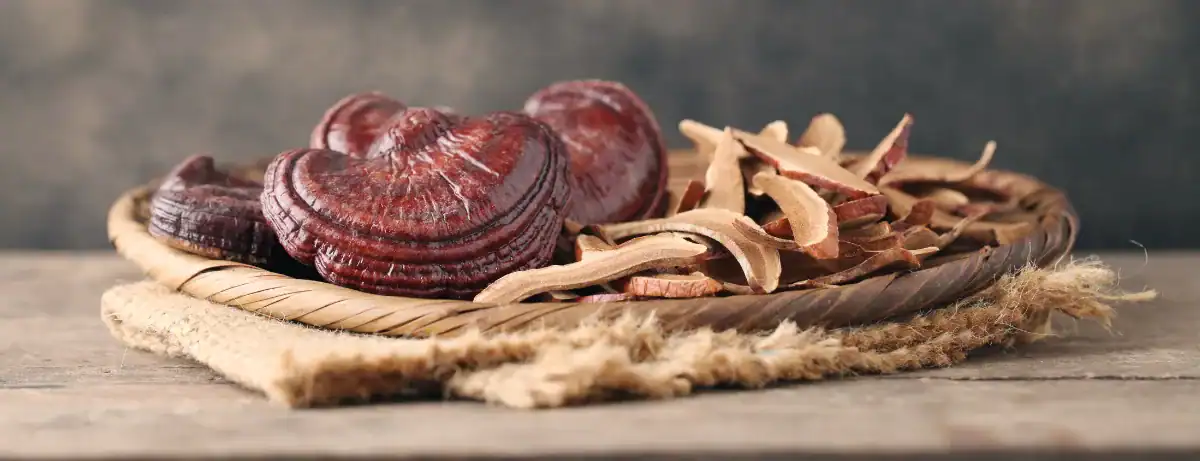




Reishi

Ganoderma lucidum

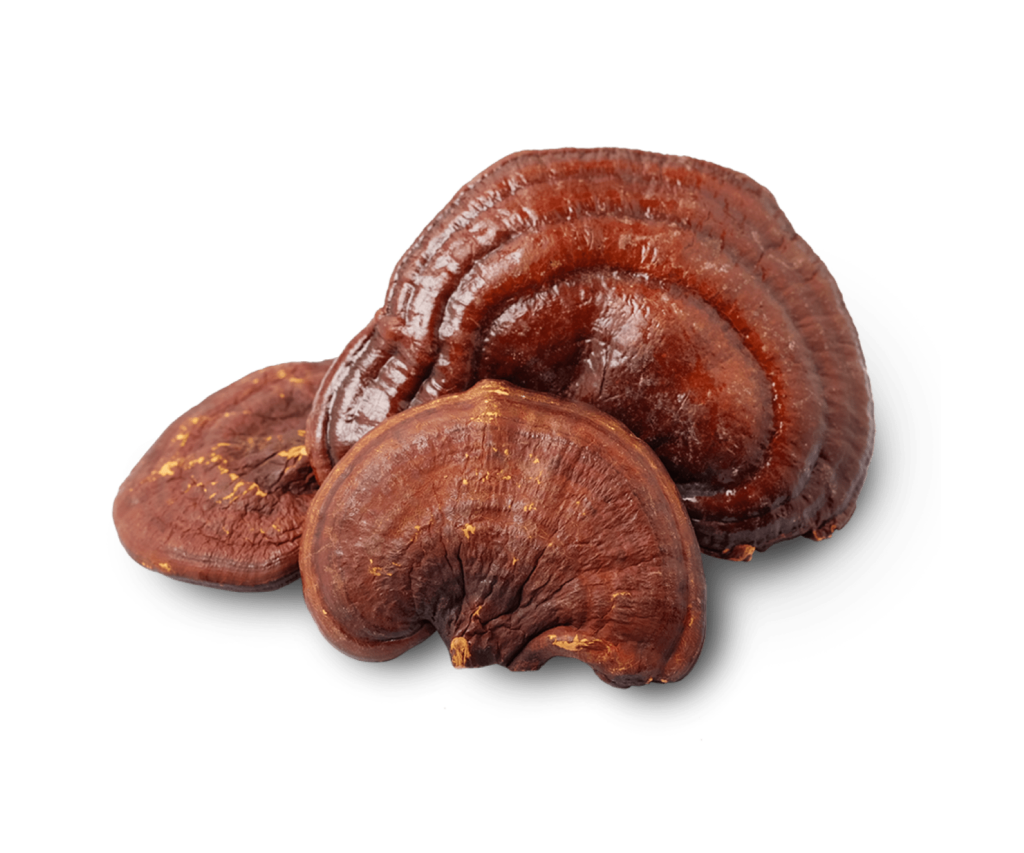
Reishi contains beta-glucans and triterpenes that support immune signalling and stress-response systems. Rather than stimulating or sedating, it helps the body regulate sleep, inflammation, and resilience over time.

Buy Reishi now!Learn about all extracts
Reishi mushroom extract

12:1 Dual-extracted • ≥30% beta-glucans • 100% fruiting bodies • Certified organic

Quick Facts

A concise overview of sourcing, extraction, and quality markers — so you can quickly understand what this extract is, and how it’s made.

Beta-glucan content≥30%Verified
Extraction methodDualAlcohol+hot water
Extraction ratio+12:1Concentrated
Purity 100%No additives
Certified organicYesVerified
Tested for impuritiesYesVerified
Tested for bioactivesYesVerified
Fruiting bodies onlyYesNo mycelium
Dì Dào origin sourcedYesWuyi Mountains

Why people use Reishi

These reflect common customer experiences and traditional uses, alongside areas of active scientific research. See how Reishi works in the section below.

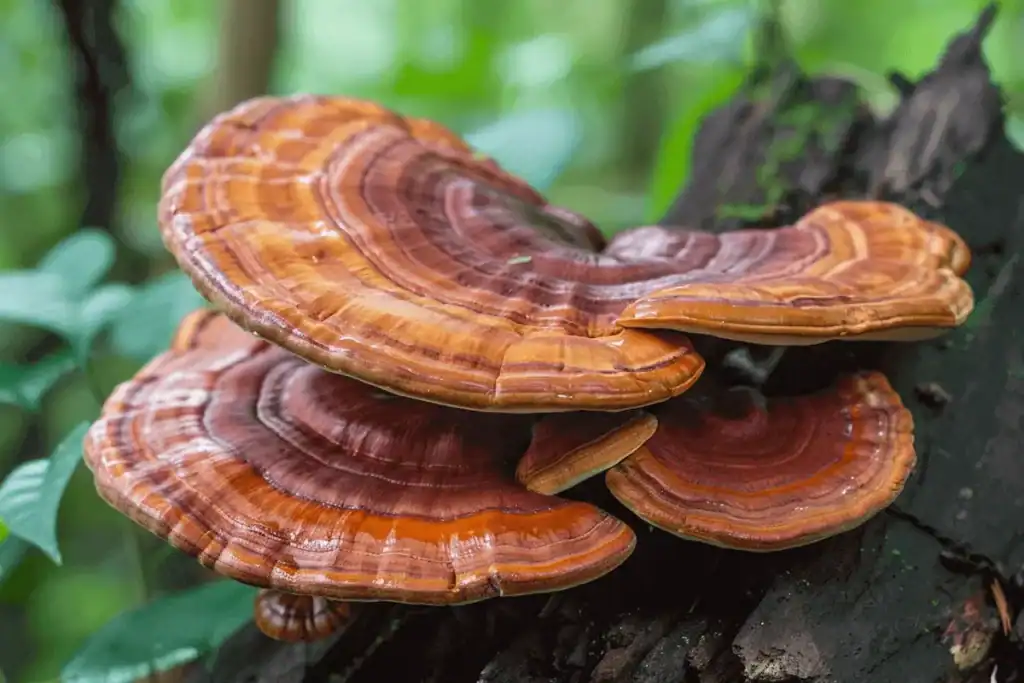
Reishi traditionally grow on a Duanwood Da Dao

How it works

Explore detailed articles that go deeper into this mushroom, from traditional use and modern research to practical guidance on sourcing, extraction, and everyday use.

Reishi FAQ

Here are some of the main questions people ask. If you have anything not covered here, please let us know.

Contact us
  • How do I use it?

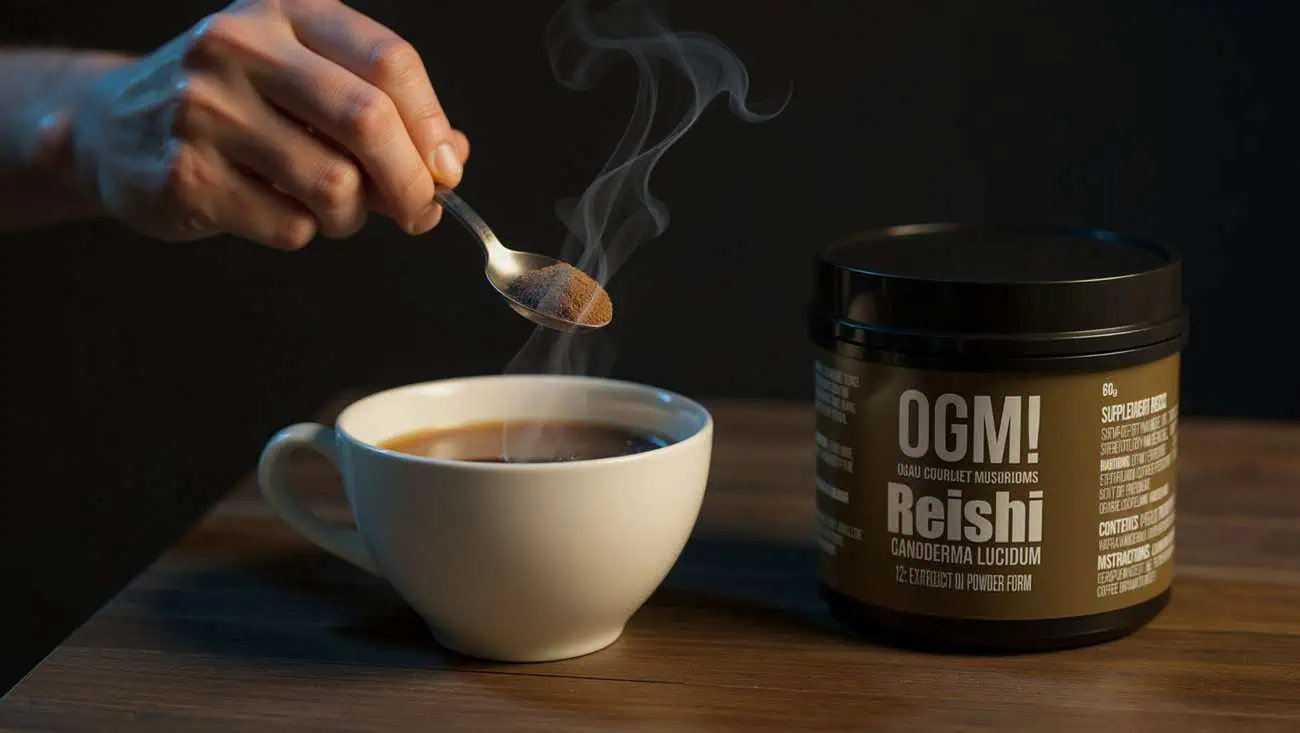
    Reishi extract powder is most commonly taken by mixing it into a warm drink or food. You can stir it into herbal tea, hot water, coffee, cacao, or add it to smoothies, soups, or broths.

    Because reishi has a naturally bitter, earthy flavour, many people prefer taking it in the evening with a calming drink. Consistency matters more than timing — regular daily use tends to deliver the best results over time.

  • How much should I take?

    Most people take between 1–5 g daily, depending on intent and sensitivity.

    General wellbeing & sleep support: 1,000–2,000 mg daily
    Immune support or recovery support: 3,000–5,000 mg daily

    Reishi is often taken in divided doses across the day. If you’re new to reishi, start at the lower end and gradually increase.

  • When should I take it?

    Reishi can be taken at any time of day, but many people prefer taking it in the evening or before bed due to its traditionally calming and balancing nature.

    If you’re using reishi primarily for immune or recovery support, splitting the dose between morning and evening can work well. Listen to your body and adjust timing based on how it feels for you.

  • Can I overdo it?

    Reishi is generally well tolerated when used within recommended amounts, but very high intakes may cause digestive discomfort or unwanted effects for some people. If digestive discomfort occurs, reduce dose or split across the day.

    Long-term excessive use or doses above 5 grams per day may increase the likelihood of interactions with certain medications. As with any supplement, more is not always better — steady, moderate use is usually the most effective approach.

    If you’re unsure, start with a lower dose and monitor how your body responds.

  • Does reishi interact with medications?

    Reishi may interact with certain medications, particularly antiplatelet or blood-thinning medications, blood-pressure medications, and blood-sugar–lowering medications.

    People with bleeding disorders, upcoming surgery, or those taking immunosuppressant medications should consult a healthcare professional before use.

    Pregnancy & breastfeeding: Reishi supplements are not recommended due to limited safety data.
    Diabetes: Reishi may lower blood sugar levels, so careful monitoring is advised.

  • How long does it take to feel the effects?

    Reishi is not a fast-acting stimulant. Most people notice subtle changes after 1–2 weeks of consistent daily use, with more noticeable benefits often reported after 3–6 weeks.

    Because reishi works at the cellular level, by supporting balance and resilience in the body, its effects tend to build gradually over time rather than being felt immediately.

  • Is reishi safe to take long-term?

    Yes — reishi has a long history of traditional use as a daily tonic and is commonly taken long-term when used within recommended amounts.

    For most people, consistent daily use at moderate doses is well tolerated. If you are using reishi continuously at higher doses or alongside medications, it’s sensible to review your use periodically with a healthcare professional.

  • Will it make me sleepy during the day?

    Reishi is considered calming but not sedating. It does not typically cause drowsiness or impair alertness during the day.

    Some people find it helps reduce mental over-stimulation or tension, which can feel grounding rather than sleepy. If you are sensitive, taking reishi in the evening may feel more comfortable.

  • What does reishi taste like?

    Reishi has a naturally bitter, earthy, and slightly woody flavour. This bitterness comes from its triterpene compounds, which are one of reishi’s key bioactive components.

    Many people prefer mixing reishi into cacao, herbal tea, or warm drinks to balance the taste.

  • Can I take reishi with other mushroom extracts?

    Yes — reishi is commonly combined with other mushroom extracts as part of a broader routine.

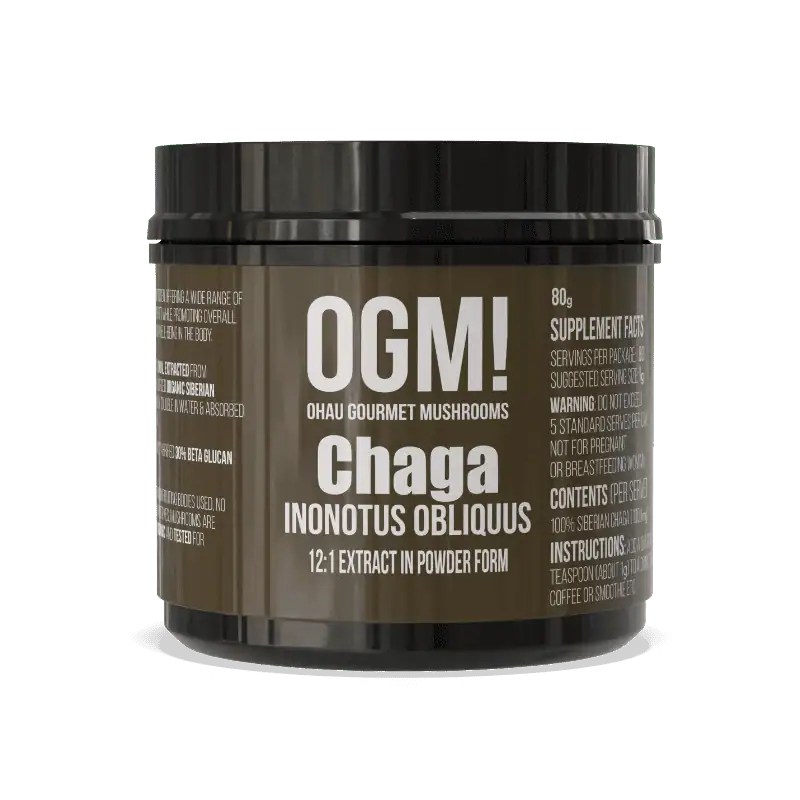
    It pairs particularly well with Lion’s Mane for focus and mental clarity, or Chaga for antioxidant and immune support. When stacking extracts, start with moderate doses and adjust gradually based on how your body responds.

  • Should I cycle reishi or take breaks?

    Cycling reishi is optional. Many people take it continuously without issue, while others prefer to take short breaks — for example, 1 week off every 6–8 weeks — as a way to check in with how their body feels.

    There’s no strict rule. Consistent use is generally more important than cycling, especially at moderate daily doses.

Combine it with...

Stacking Reishi With Other Extracts

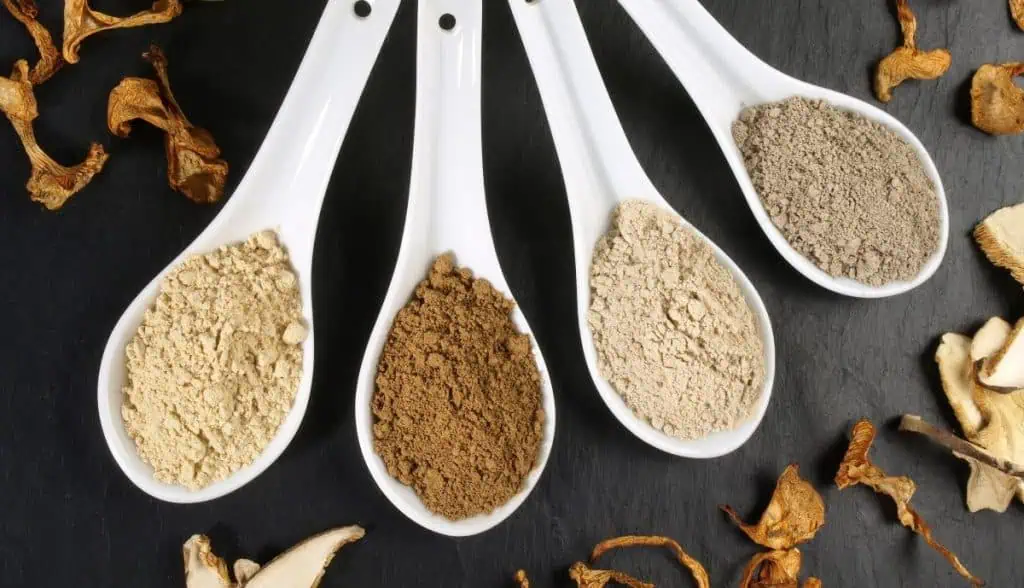
Explore how Reishi is commonly combined with other mushroom extracts. By 'stacking' different varieties, the abilities of Reishi can be enhanced or focused on very targeted wellness goals.

Documentation

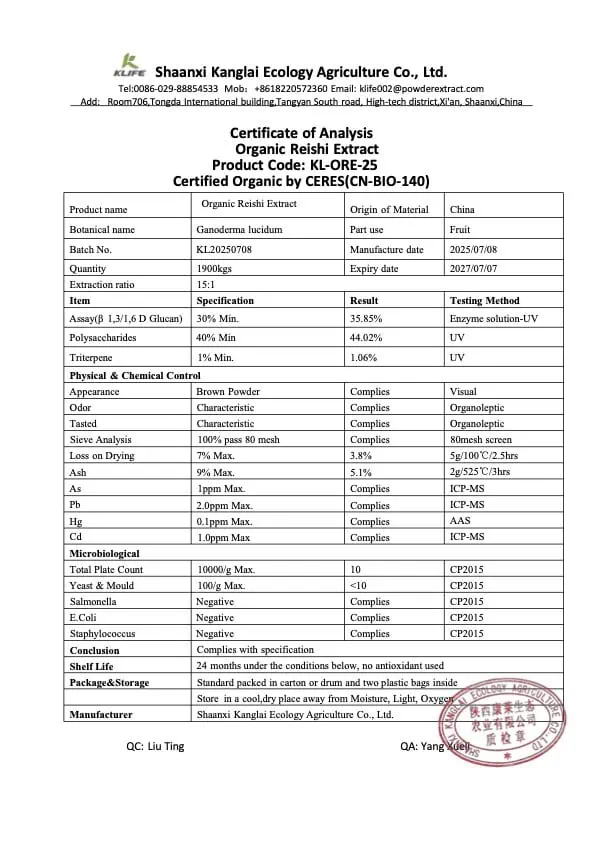
Certificates of authenticity

We believe transparency matters. Below you’ll find independent documentation verifying origin, organic certification, extraction methods, and laboratory testin - so you can see exactly what’s in this extract, and where it comes from.

Learn about the varieties

mycobio mushroom extracts

From extraction ratios to testing standards, understanding how extracts are made can help you make more informed choices.

See comparison table
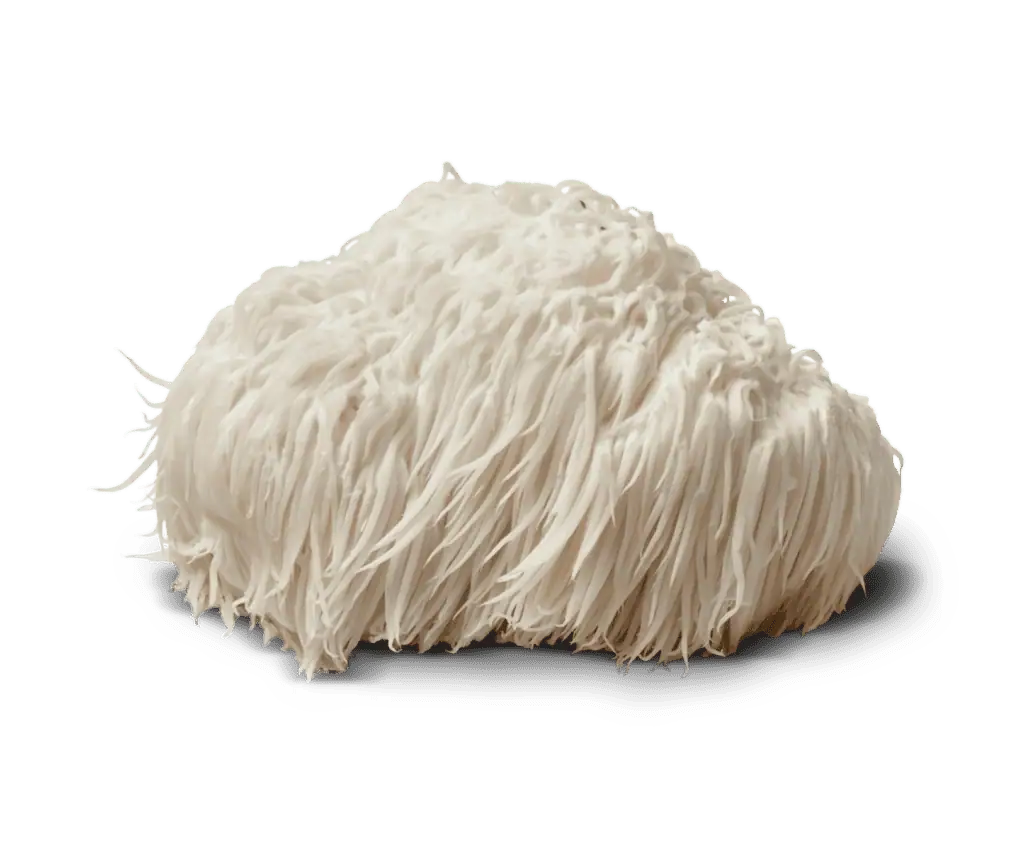
Lions Mane Mushroom extract
Lion's Mane

Learn About Lion's Mane

Traditionally used to support cognitive clarity and focus. Often chosen for routines centred on mental performance and long-term neurological wellbeing.

Learn about Lion's Mane
Reishi mushroom extract
Reishi

Learn About Reishi

Historically valued for its role in supporting balance and resilience. Commonly included in wellbeing routines focused on stress, recovery, and immune support.

Learn about Reishi
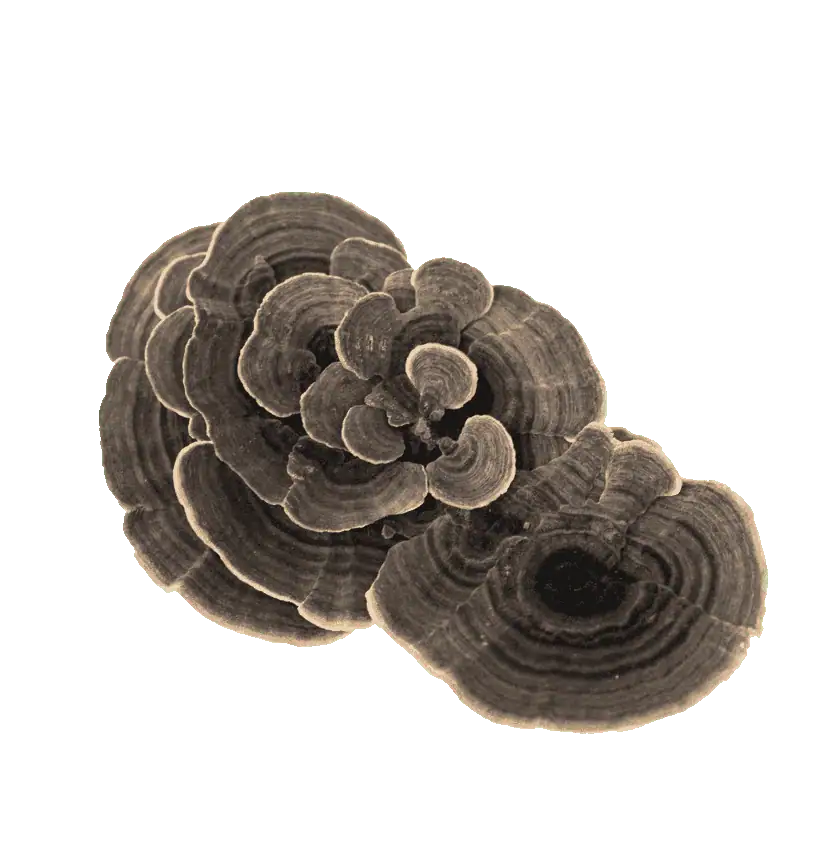
Turkey Tail Mushroom
Turkey Tail

Learn About Turkey Tail

Known for its polysaccharide content, Turkey Tail is traditionally used to support immune balance and overall resilience as part of daily routines.

Learn about Turkey Tail
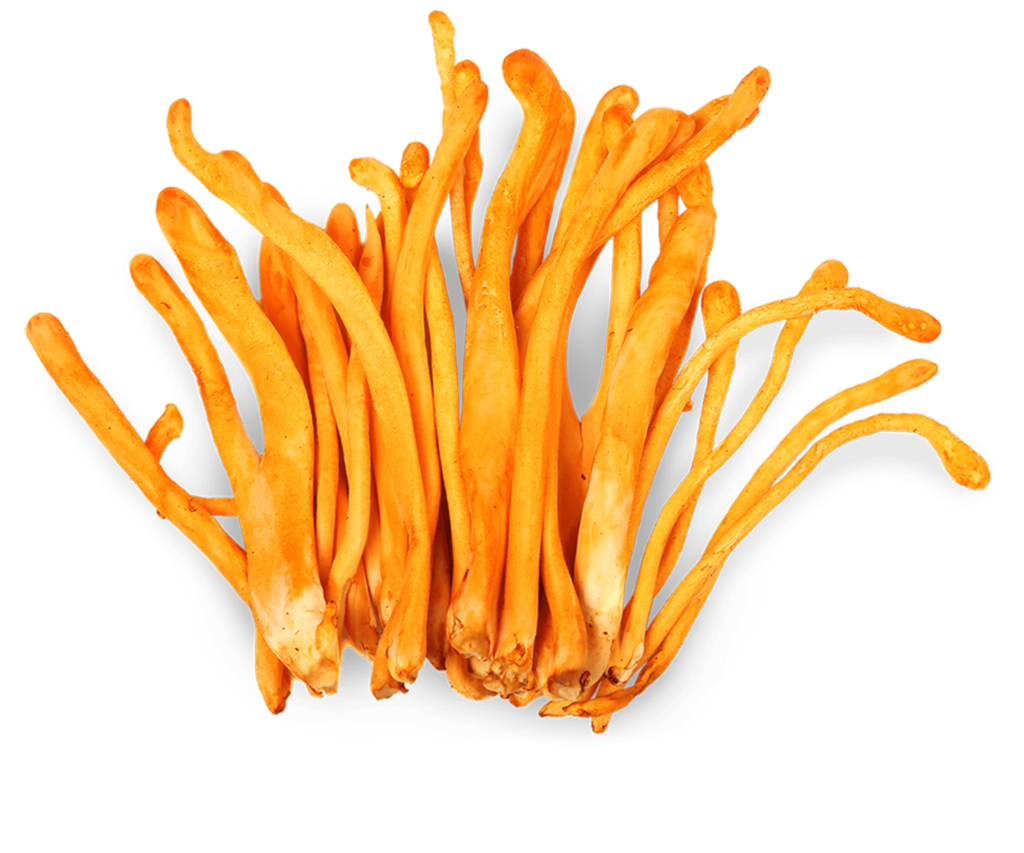
Cordyceps mushroom supplements
Cordyceps

Learn About Cordyceps

Traditionally associated with energy and vitality. Often selected to support physical performance, endurance, and recovery during active lifestyles.


Learn about Cordyceps
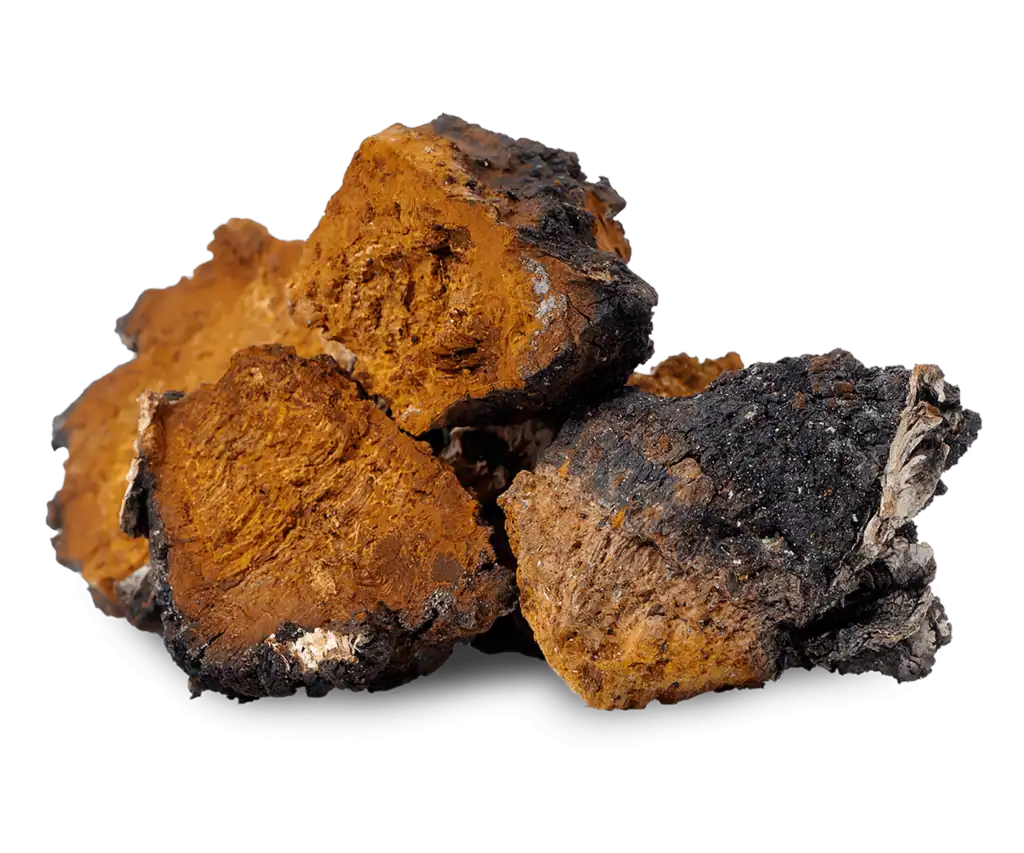
Chaga mushroom extracts
Chaga

Learn About Chaga

Traditionally used to support whole-body balance and antioxidant intake. Commonly included in long-term wellness and restorative routines.

Learn about Chaga